

Comment savoir si un mur est mitoyen : guide clair pour éviter les conflits
Vous regardez ce mur séparatif entre votre jardin et celui du voisin, et une question vous trotte dans la tête : à qui appartient-il ? Est-il mitoyen, partagé entre vous deux, ou privatif, tout à vous ou tout à lui ? Peut-être voulez-vous y poser une clôture, le surélever pour un peu d’intimité, ou simplement savoir qui paie s’il s’effrite. En France, nombreux sont ceux qui se posent cette question avant de lancer des travaux ou d’acheter une maison. Identifier la nature d’un mur mitoyen peut éviter bien des disputes et des frais inutiles. Mais par où commencer ? Pas de panique, on va démêler ça ensemble, comme si on feuilletait un vieux carnet de notes autour d’un café. Documents, indices, démarches : voici tout ce qu’il faut pour y voir clair et avancer sereinement.
Qu’est-ce qu’un mur mitoyen ? Les bases pour comprendre
Un mur mitoyen, c’est un peu comme une frontière amicale entre deux terrains. Selon le Code civil (article 653, pour les curieux), tout mur séparant deux propriétés est présumé mitoyen, sauf preuve contraire. Ça veut dire que vous et votre voisin en êtes tous les deux propriétaires, avec des droits et des devoirs partagés : entretien, réparations, travaux, tout se fait à deux. Un mur privatif, en revanche, n’appartient qu’à un seul, souvent construit entièrement sur son terrain. La différence ? Elle change tout. Un mur mitoyen, c’est des frais partagés, mais aussi un accord à trouver pour toute modification. Un mur privatif, c’est plus de liberté, mais aussi toute la facture pour vous. Simple, non ? Enfin… pas tout à fait. La réalité est souvent plus floue, et c’est là qu’on entre dans le vif du sujet. Prêt à jouer les détectives ?
Fouillez vos documents : l’acte de propriété, c’est la clé
Avant de scruter le mur lui-même, plongez dans vos papiers. L’acte de propriété ou le titre de propriété, remis par le notaire lors de l’achat, est votre meilleur allié. Ce document mentionne souvent si le mur séparatif est mitoyen ou privatif, parfois avec des détails précis : “mur mitoyen avec la parcelle voisine” ou “clôture privative côté nord”. Prenez une lampe, un thé, et lisez attentivement. Pas de mention claire ? Vérifiez le cadastre, accessible en ligne sur cadastre.gouv.fr. Il montre la limite exacte entre les parcelles, mais attention : il ne prouve pas la mitoyenneté, juste la position du mur. Si le mur est pile sur la ligne, c’est un indice, mais pas une certitude. Tiens, on y pense rarement, but old notarial archives, sometimes kept by your notaire, can reveal forgotten agreements. Found something? You’re off to a great start. Nothing yet? Let’s look closer.
Observez le mur : les indices qui parlent
Sometimes, a mur mitoyen tells its own story. Stand in your garden, then hop over to your neighbor’s side (with permission, of course), and play detective. Is the wall exactly on the property line, splitting the boundary like a tightrope? That’s a strong hint of mitoyenneté. Check the materials: a mur mitoyen often looks the same on both sides—same bricks, same plaster, same height. A mur privatif might be rough or unfinished on one side, like it’s turning its back on the neighbor. Notice any shared use? If both sides have plants climbing the wall or structures leaning against it, it’s likely mitoyen. Picture this: a wall with identical ivy trailing over both gardens, like a handshake in stone. But if it’s offset entirely on one property, or only one side maintains it, it might be privatif. Got a hunch? Let’s confirm with the pros.
Call in the experts : géomètre or notaire to the rescue
If your acte de propriété is vague and the wall isn’t spilling its secrets, it’s time to call in the cavalry. A géomètre-expert is your go-to for clarity. They perform a bornage, a fancy term for measuring and marking the exact boundary between properties. This can confirm if the mur séparatif sits on the line (mitoyen) or entirely on one side (privatif). Expect to pay 500 to 1500 euros, depending on the complexity, but it’s worth it for peace of mind. A notaire, meanwhile, can dig into archives notariales or old deeds, especially for older homes where documents are murky. They might uncover a decades-old agreement about the wall. In France, géomètres and notaires are trusted allies for property disputes, and their reports hold legal weight. It’s like hiring a historian and a surveyor in one. Feeling ready to make that call?
Talk to your neighbor : a delicate but key step
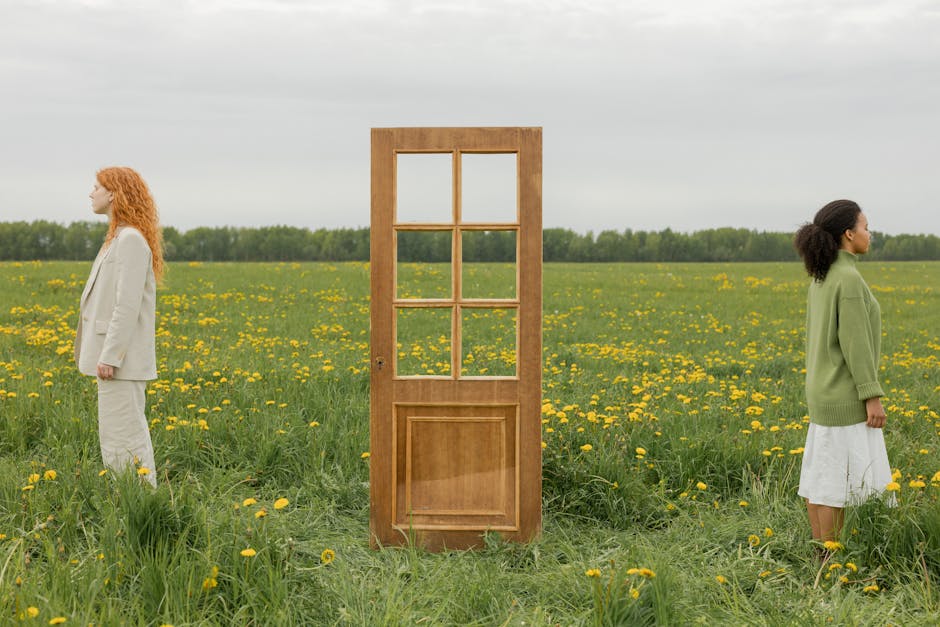
Bon. Disons-le autrement. Sometimes, the simplest way to know if a mur mitoyen is shared is to ask your neighbor. Sounds obvious, but it’s trickier than it seems. Picture yourself knocking on their door, coffee in hand, and casually asking, “Say, about that wall between us… any idea if it’s ours or shared?” Start gently: ask if they have their acte de propriété or know of any past agreements. Share your findings, like the cadastre map, to keep things collaborative. Avoid sounding confrontational—nobody likes a property feud. If they’re unsure or defensive, don’t push; pivot to a géomètre for neutrality. This step can save time and build trust, but it’s like walking a tightrope: one wrong word, and tensions rise. Ever tried this kind of chat? It’s an art.
Tricky cases : old walls and missing documents
Some walls are mysteries wrapped in ivy. If your home is a century old, or your acte de propriété is silent, things get complicated. Murs anciens often lack clear records, especially in rural areas where boundaries were set by handshake. If no bornage exists, the Code civil presumes mitoyenneté for walls on the property line, but proving it is tough. Check for plans anciens at the local archives or mairie—sometimes, they sketch out shared walls. Another clue? Look for signs of long-term shared use, like both neighbors patching the same crack. If all else fails, a géomètre-expert can propose a new bornage, though you’ll need your neighbor’s agreement. It’s like solving a puzzle with half the pieces missing, but persistence pays off. Got an old wall in your yard?
Rights and duties : what happens once you know
So, you’ve cracked the case: your wall is mitoyen. Now what? You and your neighbor share ownership, which means shared responsibilities. Need to repair a crumbling section? Split the bill. Want to raise the mur mitoyen for privacy? Get their approval, and share the costs. The Code civil says both parties maintain the wall, but you can’t paint or drill without agreement—think of it as a shared canvas. If it’s privatif, you’re free to act (within local regulations), but you foot the bill alone. Knowing the status unlocks your options: build, decorate, or just rest easy knowing your rights. It’s like finding the rulebook for a game you didn’t know you were playing. Ready to plan your next move?
Your wall, your peace of mind
Figuring out if a mur séparatif is mitoyen or privatif is like untangling a knot: it takes patience, but the result is clarity. Start with your acte de propriété, check the cadastre, inspect the wall, and, if needed, call a géomètre-expert or notaire. A quick chat with your neighbor might even save you time. Whether you’re planning a project or just curious, knowing the status of your mur mitoyen prevents headaches and keeps the peace. Try checking one clue today—maybe that dusty deed in your drawer. What’s the wall between you and your neighbor hiding? Share your findings or questions; you might spark a solution for someone else!